Gainesville is a college town with a wilderness wrapped around it. Within minutes to an hour of downtown there is a prairie with wild horses and bison, a sinkhole you climb down into like a lost world, a wetland thick with alligators and birds, a mature hardwood forest laced with trails, and more clear springs than you can count. You can be deep in wild Florida by mid-morning and back to a coffee downtown by afternoon.
This is the guide to the land side of it: the parks, the prairie,
the trails, and the wildlife you can reach from a downtown base. The
springs and the
manatees have guides of their own, linked below, because they each earn a full day. Here is the wild side of Gainesville, and how to do it without giving up a real town to come home to.
Where everything is
It helps to picture it from downtown.
Paynes Prairie and
Sweetwater Wetlands are just south, fifteen minutes out.
Devil’s Millhopper and
San Felasco sit together to the northwest, twenty minutes or so.
Morningside is east, almost in town.
Kanapaha is southwest. The springs run west and north, half an hour to an hour out, and the manatees gather west and south in the cold months. Nothing on this page is more than about an hour away, and most of it is far closer, which is the whole advantage of a central base: you are never committing to a long haul just to get into the wild.
Paynes Prairie Preserve State Park
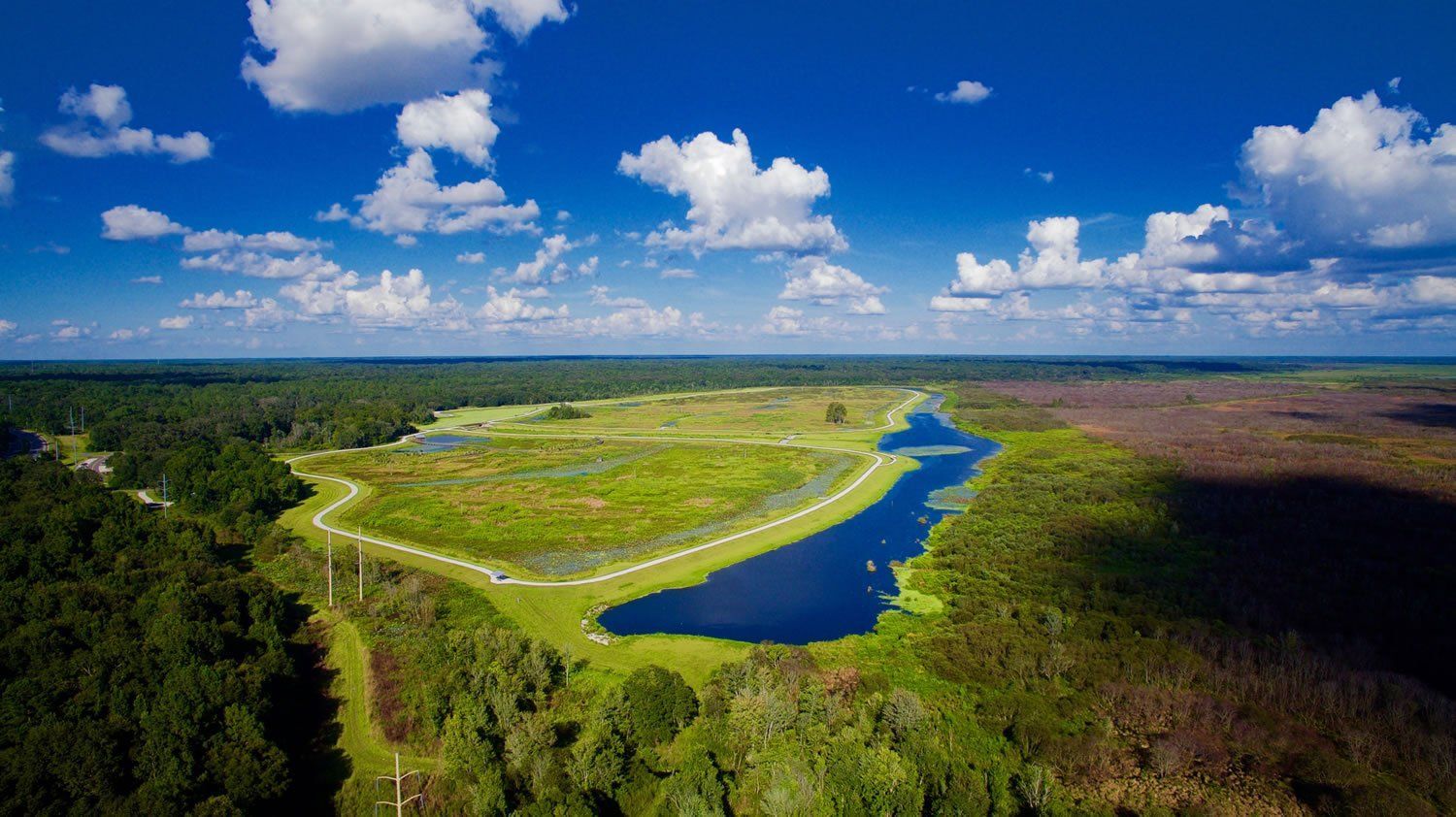
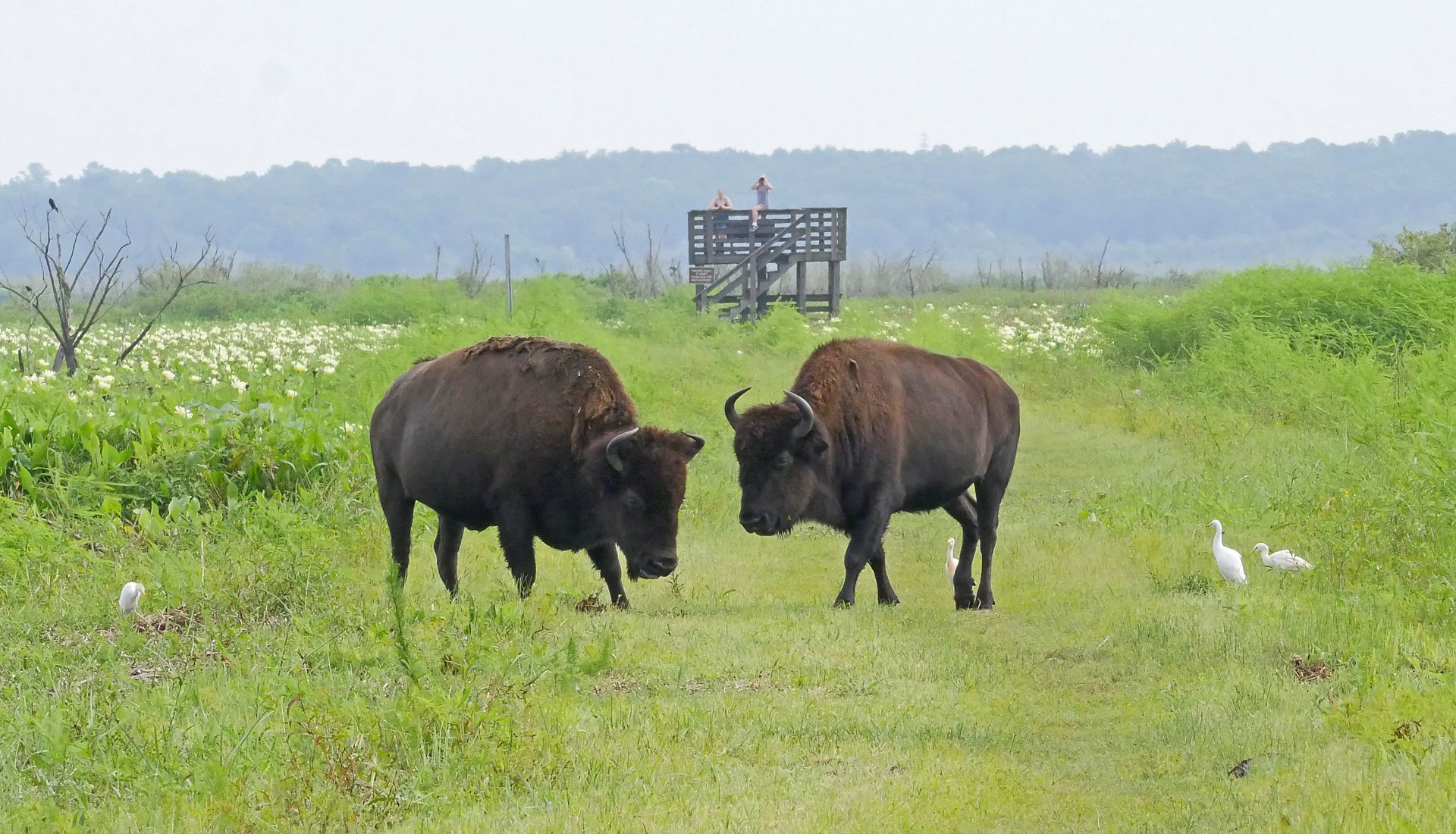
Start here. Just south of downtown sits a vast open prairie that people only half-jokingly call the Florida Serengeti. Wild bison and Florida cracker horses still roam it, alongside alligators, bald eagles, sandhill cranes, and more birds than you could name in a day. Climb the observation tower for the long view, or walk the
La Chua trail out across the basin, where the gators sun themselves close enough to make you reconsider how far you have wandered. It was a lake with steamboats on it until a sinkhole drained the whole thing in 1891, which tells you how alive the ground is here.
At night it becomes one of the darkest skies in the region, a certified spot for stargazing once the sun is down. Walk or bike in and entry is free. There is no easier place near Gainesville to feel like you left the city far behind, fifteen minutes after you actually did.
Devil’s Millhopper
On the northwest edge of town is a hole in the ground worth driving to.
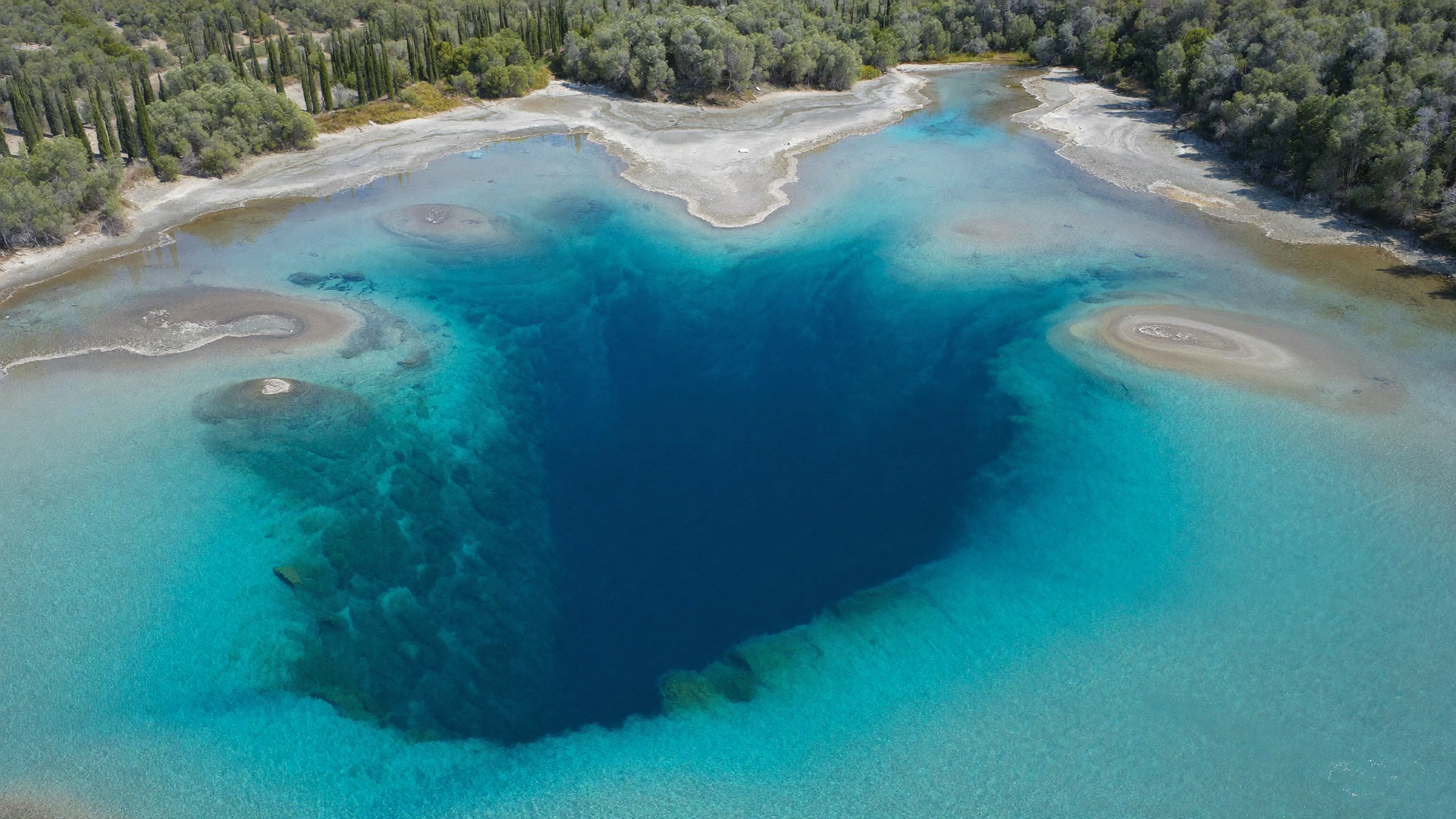
Devil’s Millhopper is a giant sinkhole, a bowl scooped a hundred feet into the limestone, and a long boardwalk staircase carries you down into it. The bottom is its own small rainforest, ten or fifteen degrees cooler than the parking lot, green and dripping, with little waterfalls trickling down the walls. It is a quick visit and a strange one, the kind of place that does not look like the Florida people expect. There is a small fee, and the days it is open shift with the season, so check before you go.
Sweetwater Wetlands Park
For the easiest wildlife day on the list, this is it. Sweetwater is a built wetland on the south edge of town, a flat loop of crushed path and boardwalk a few miles around, and it is thick with alligators, wading birds, and the occasional wild horse drifting over from the prairie next door. It is one of the best birding spots in the area, gentle enough for any pace, and close enough to do on a whim. Keep your distance from the gators, which are plentiful and unbothered, and bring a camera.
San Felasco Hammock Preserve State Park
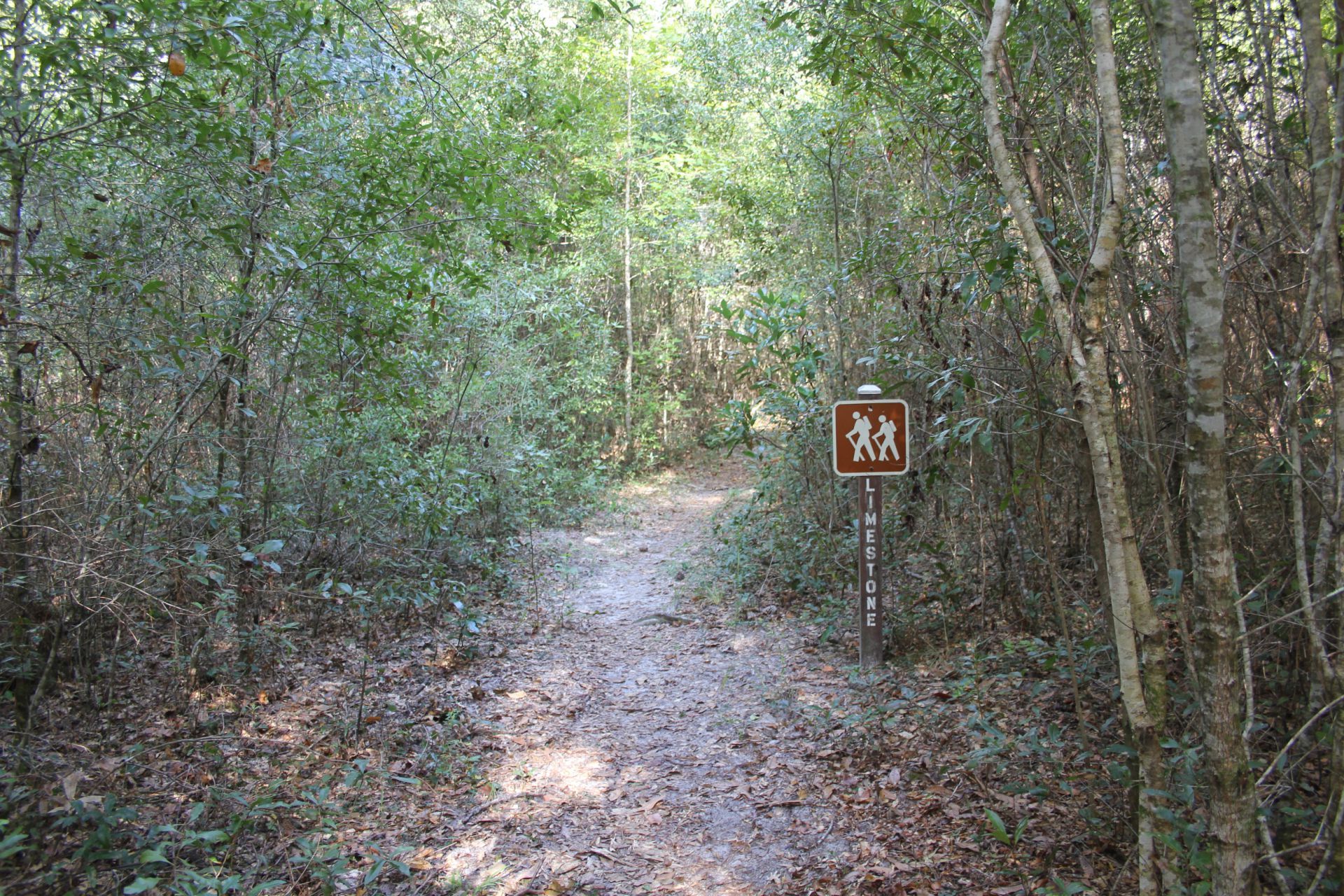
When you want a real forest, head northwest to San Felasco. It is around seven thousand acres of mature hardwood hammock, one of the finest old forests left in Florida, with surprising hills, ravines, and sinkholes carved by the same limestone that makes the springs. The southern two-thirds is hiking only, quiet and shaded, a true walk in the woods that most people do not expect this far down the peninsula. The northern end is one of the best mountain-biking destinations in the state, with miles of single-track, plus horse trails for riders.
Pick the hiking trailhead off Millhopper Road for a quiet walk, or the north entrance off the highway for biking and riding. There is an entrance fee, often on the honor system, so bring a few dollars. It is the place to go when you want trees over your head and almost no one else around.
Morningside Nature Center
Closer in, on the east side of town, Morningside is a few hundred acres of pine flatwoods threaded with easy boardwalk trails, and it is free. The draw for families is the living-history farm, where volunteers keep a nineteenth-century Florida homestead running with heritage animals and seasonal demonstrations. It is a gentle, shaded morning, good for little kids and grandparents alike, and a soft landing if the bigger parks feel like too much.
Trails to ride and walk
If you came with a bike or good shoes, the Gainesville to Hawthorne trail is the backbone. It runs about seventeen miles of paved, ten-foot path from the edge of town out to rural Hawthorne, with a couple of real hills, regular trailheads and benches, and the best part: it cuts straight across Paynes Prairie, with overlooks where you can stop and watch bison and gators from the saddle. Ride the whole thing or pick a scenic section and turn back. It connects to the in-town rail-trails too, so you can string together a longer ride without touching a road.
Add the hiking trails inside Paynes Prairie and San Felasco, the boardwalk loop at Sweetwater, and the flatwoods paths at Morningside, and you have weeks of walking and riding without repeating yourself.
Gardens and the green in town
Not all of it is far out. Kanapaha Botanical Gardens, on the southwest side, holds the largest public bamboo stand in Florida and a sprawling herb garden, an easy stroll for a slower day. The University of Florida campus is open to wander, all oaks and lakes, and across from Lake Alice sit the largest occupied
bat houses in the world, where a half million bats pour into the sky at dusk on warm evenings. And
Depot Park, four blocks from us, gives you a pond, a boardwalk, and trails without leaving downtown at all.
The water, in its own season
The wildest part of wild Florida here is the water, and it runs on a calendar. In the warm months the springs are the move, clear and cold and seventy-two degrees, the best way to beat a Florida summer. In the cold months that same water fills with manatees taking shelter from the cooling rivers. Both are short drives, and both deserve a full day, so we gave each its own guide. Start with whichever season you are in.
Which day for which mood
For the big wildlife and the long view, Paynes Prairie. For an easy gator-and-bird walk close to town, Sweetwater. For a real forest hike or a hard mountain-bike ride, San Felasco. For geology and shade in an hour, Devil’s Millhopper. For a gentle morning with kids, Morningside. For a long ride, the Hawthorne trail. And for the water, the springs in summer and the manatees in winter. Tell us what kind of day you want and we will point you at the right trailhead and the best time to be there.
When to go, and what to bring
Florida outdoors has a rhythm. The cooler months, roughly fall through spring, are the best stretch for hiking and riding: mild, dry, and far fewer bugs. Summer is hot and humid with afternoon storms that roll in like clockwork, so go early and be off the trail by midday, or save summer for the springs, which is what they are there for. Early morning and late afternoon are when the wildlife moves and the light is good.
Bring water, more than you think, plus bug spray, sunscreen, and shoes you do not mind getting muddy. Watch for gators near any water and never approach or feed them. Carry a few dollars for the parks that charge, some on the honor system. And leave it cleaner than you found it, same as anywhere worth keeping.
Make a trip of it
The luxury of doing all this from Gainesville is that you do not have to camp to be in it. You can spend the morning on the prairie or deep in the forest, get genuinely far from everything, and be back to a hot shower, a real meal, and a quiet room downtown by afternoon. The wild and the walkable sit fifteen minutes apart here, which almost nowhere manages.
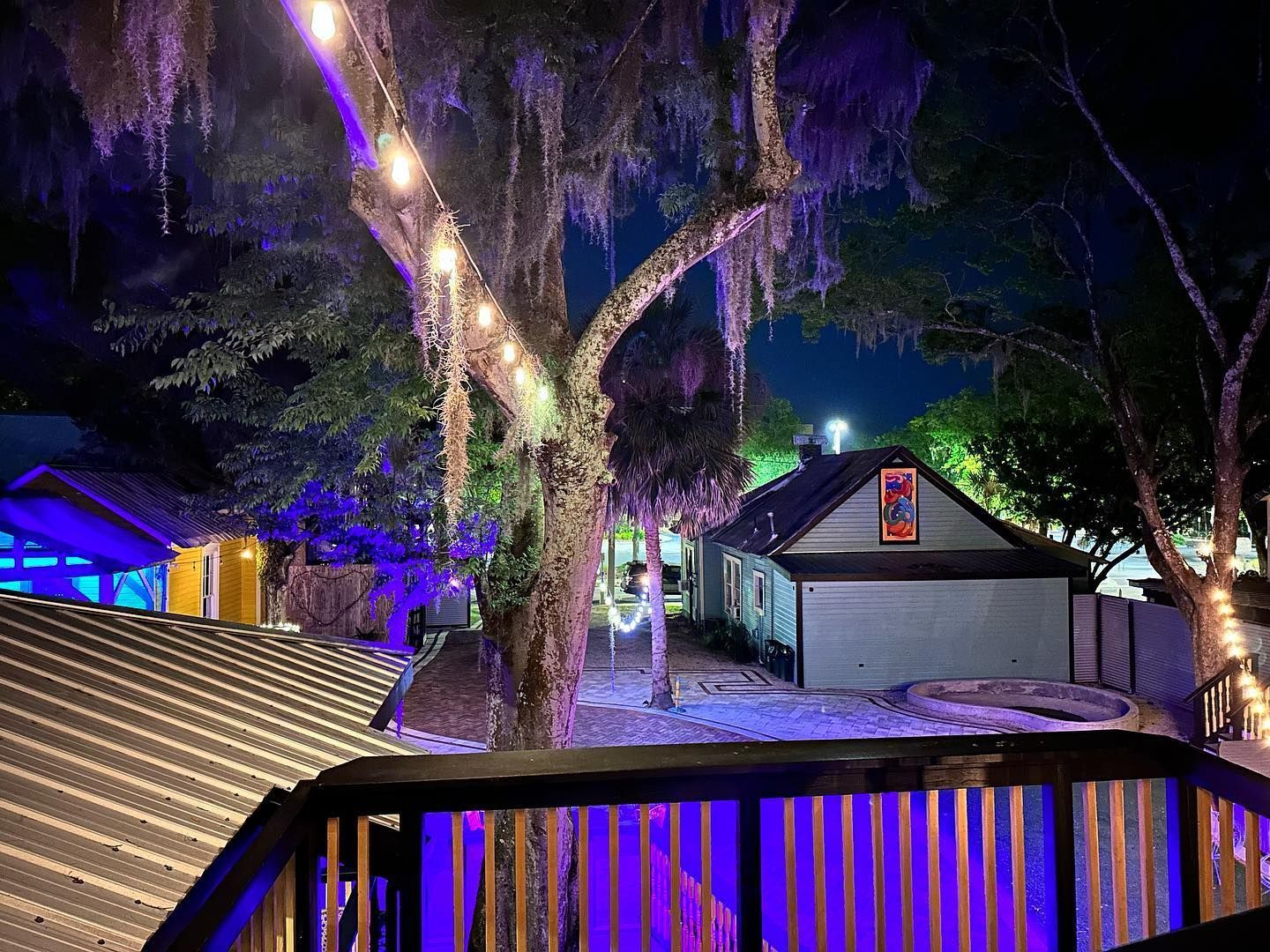
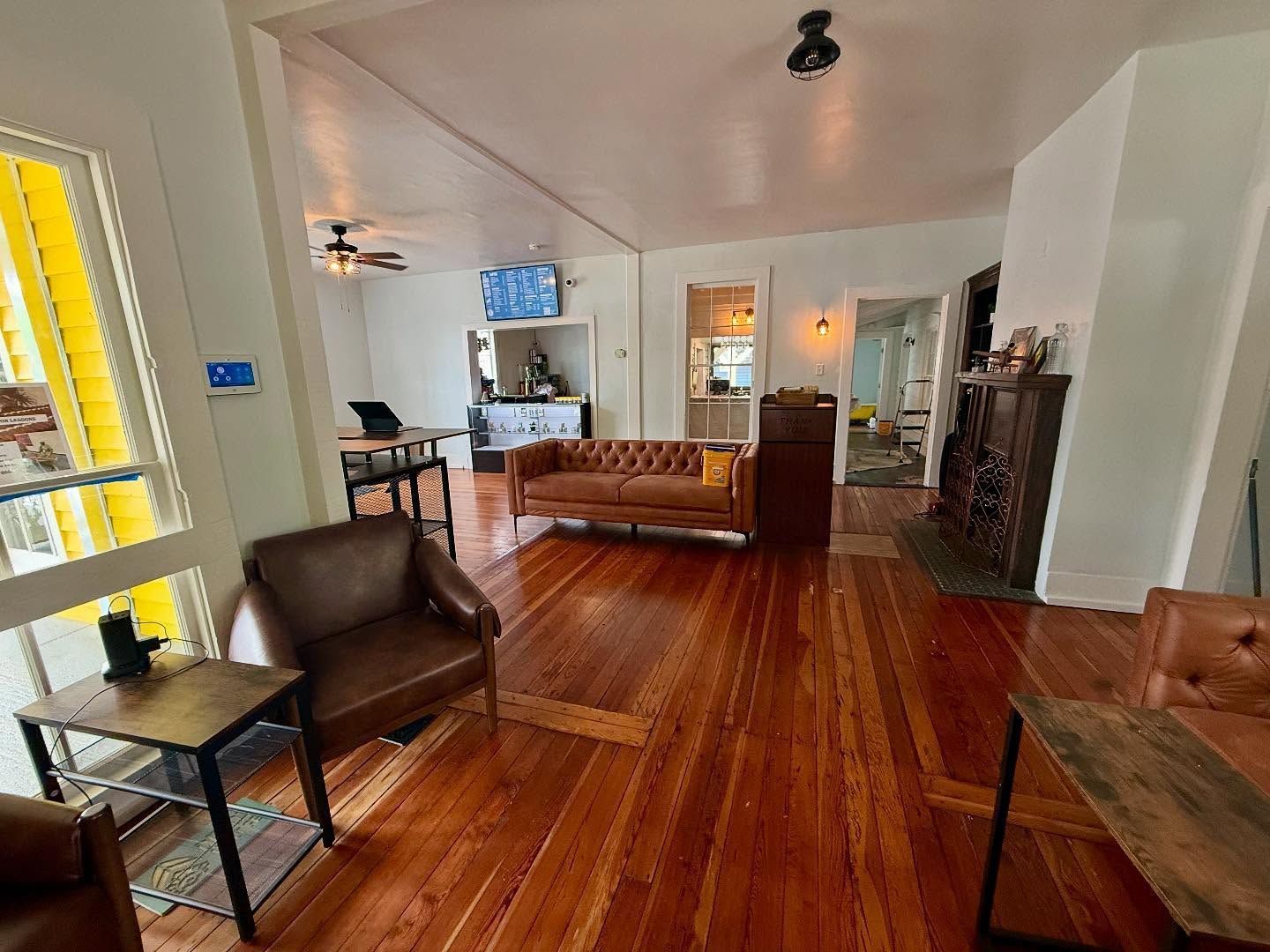
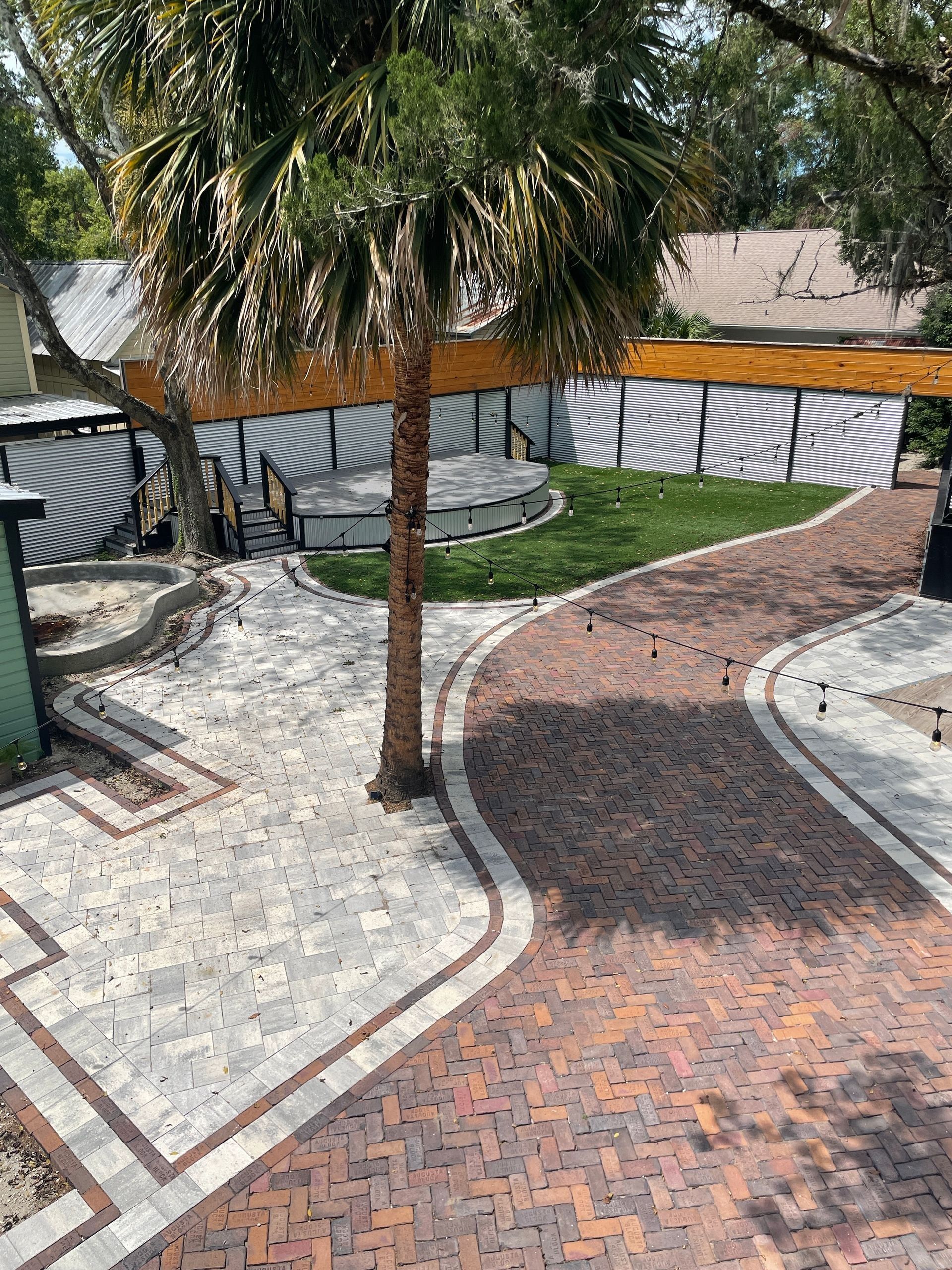
We are owner-run, in an old house a few blocks from Depot Park, with a courtyard and a
coffee bar to start the morning and end the day. Park once, head out to a different patch of wild Florida each day, and come back to the same room each night. Book direct, tell us what you want to see, and we will hand you the trailheads and the timing.
A couple of days, mapped out
If you have two or three days, here is an easy way to spend them. Day one, go big and close: a morning on Paynes Prairie, the tower and the La Chua trail, then an easy afternoon loop at Sweetwater for gators and birds, both just south of your room. Day two, head northwest for a forest morning at San Felasco and a quick climb down into
Devil’s Millhopper on the way back, with the afternoon free downtown. Day three belongs to the water: a spring in the warm months, or a manatee morning in the cold ones, then home by lunch.
That is three full days of wild Florida without packing a tent or driving more than an hour, every night spent in the same walkable downtown. Stretch it or trim it however you like, and we will help you sort the order by season and weather.
Common questions
What is the best nature near Gainesville? Paynes Prairie is the headline, with wild horses, bison, and gators just south of town. Add Sweetwater Wetlands for easy wildlife, San Felasco for forest hiking and biking, Devil’s Millhopper for the sinkhole, and the springs and manatees a short drive out.
Where can you see wild horses and bison? Paynes Prairie Preserve State Park, just south of downtown. Walk the La Chua trail or climb the observation tower, or watch from the overlooks on the Hawthorne trail.
Are there free state parks near Gainesville? Paynes Prairie is free if you walk or bike in, and Morningside Nature Center is free. Most of the others charge a small fee, some on the honor system.
Are the alligators dangerous? They are wild animals, so you respect them: keep your distance, never feed them, and keep kids and pets back from the water. Watched from a boardwalk or a trail, they are part of what makes the place feel alive.
When is the best time to go outdoors here? The cooler months, fall through spring, for hiking and riding. Summer for the springs. Early mornings for wildlife and to beat the heat.
Where should I stay? Downtown, so the wild is a short drive and a real town is a short walk. We are in the middle of it, a few blocks from Depot Park.
Do you need a car? For the parks and springs, yes, they are a short drive out. Downtown itself is walkable once you are back, though, so you park once and leave it sitting until the next morning’s trip.