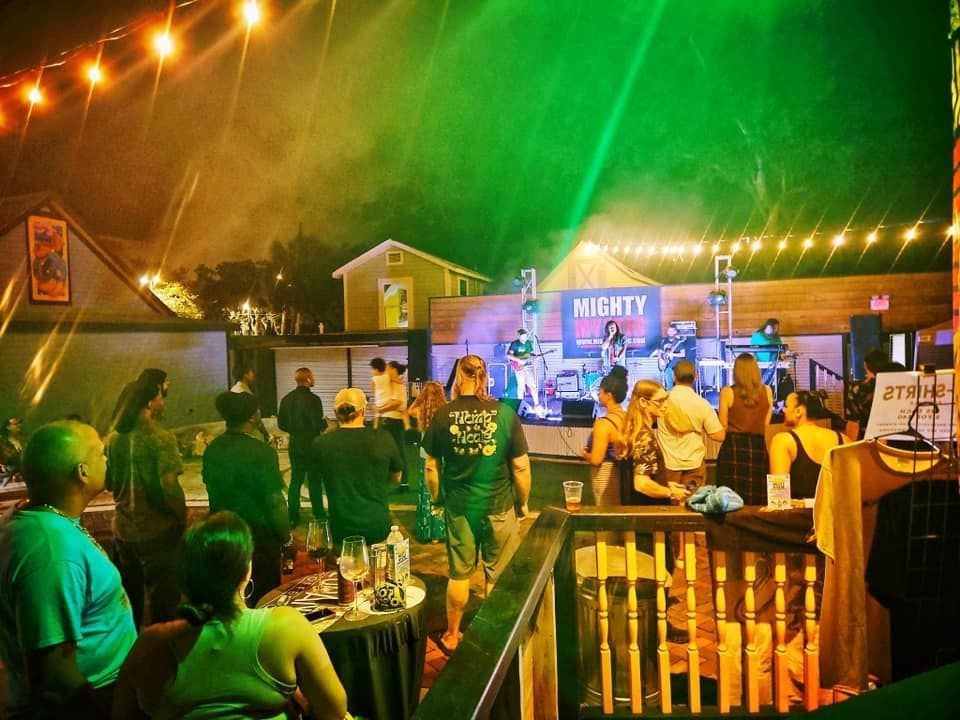
Most getaways make you pick a lane. Beach or city. Nature or nightlife. A cabin in the woods or a room you can walk out of into somewhere alive. A couple of days in Gainesville is the rare trip that does not make you choose. The wild parts of Florida sit fifteen minutes to an hour out in every direction, and a real, walkable downtown waits for you at the end of each day. One base, two worlds, no choosing.
This is the short version of how to spend that
time: what the trip is, how to shape a day or two or three, and how to do all of it from the middle of town instead of a highway exit. Everything here links out to a fuller guide if you want to go deeper.
Why Gainesville
People drive past Gainesville on the way to the coasts and the parks without knowing what they are skipping. It is a college town with a wilderness wrapped around it and a downtown that punches well above its size: independent restaurants,
good coffee,
live music most nights somewhere, museums that happen to be free, and an old, walkable core you can settle into for a few days.
It is also calmer and kinder on the wallet than the tourist coasts. No theme-park crush, no resort markup, no long wait for a table you booked a month out. You come here to slow down, get outside, eat well, and not be processed through a turnstile. For a certain kind of traveler, that is the whole appeal: a place that is genuinely itself, in the middle of Florida, not trying to be anywhere else.
The two worlds
The trip works because the two halves sit so close together.
Wild Florida by day. Within an hour you have
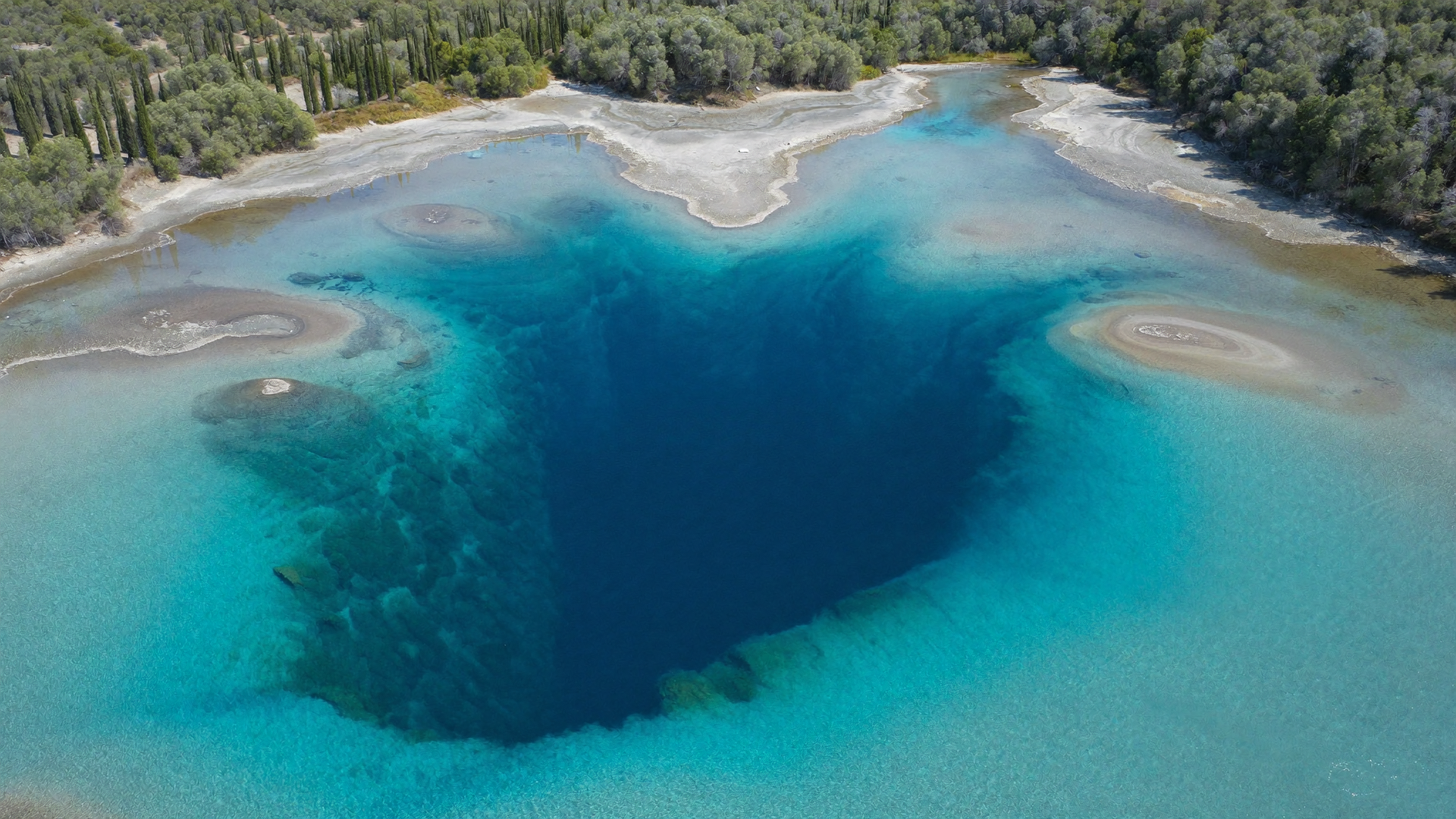
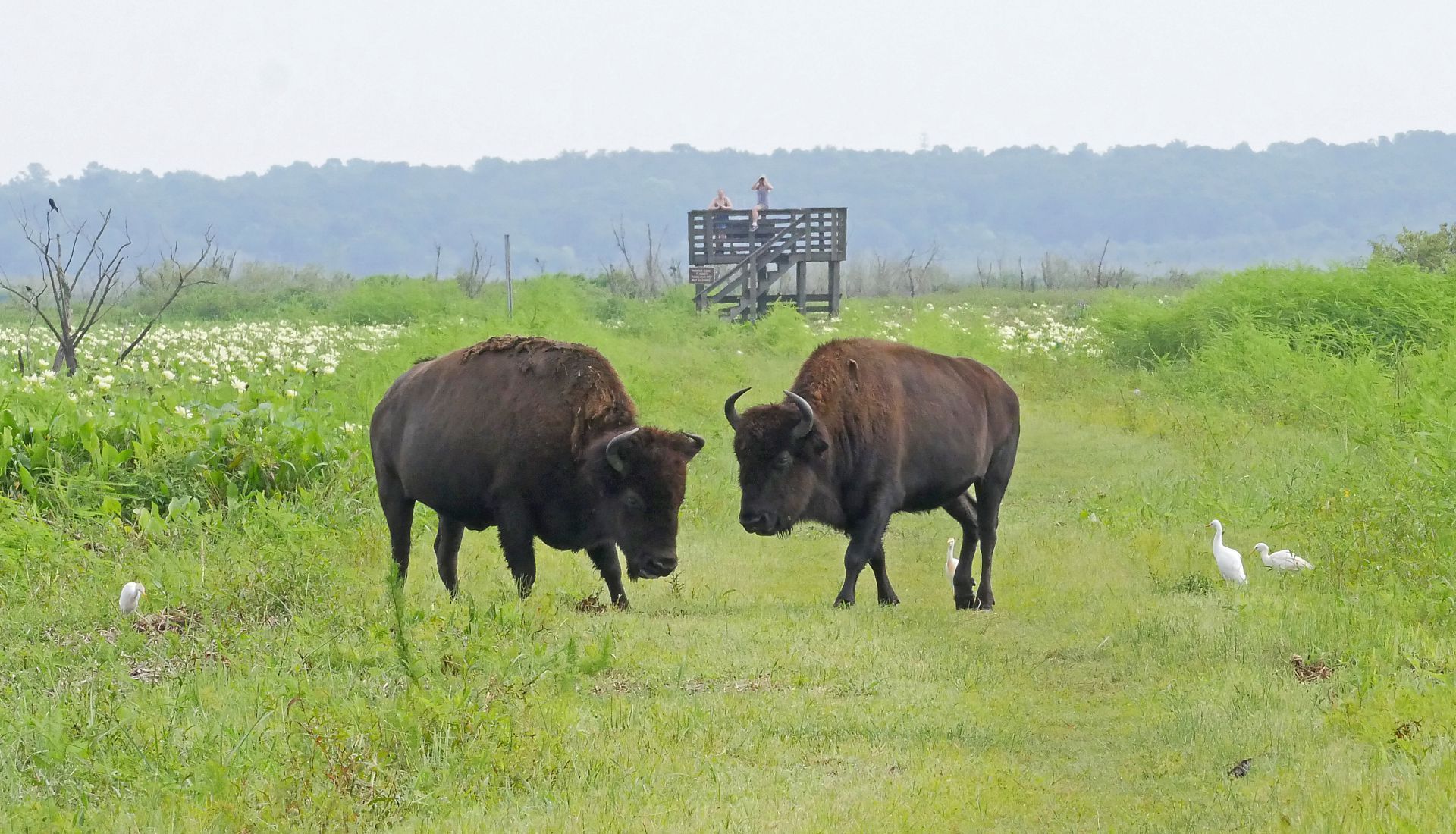
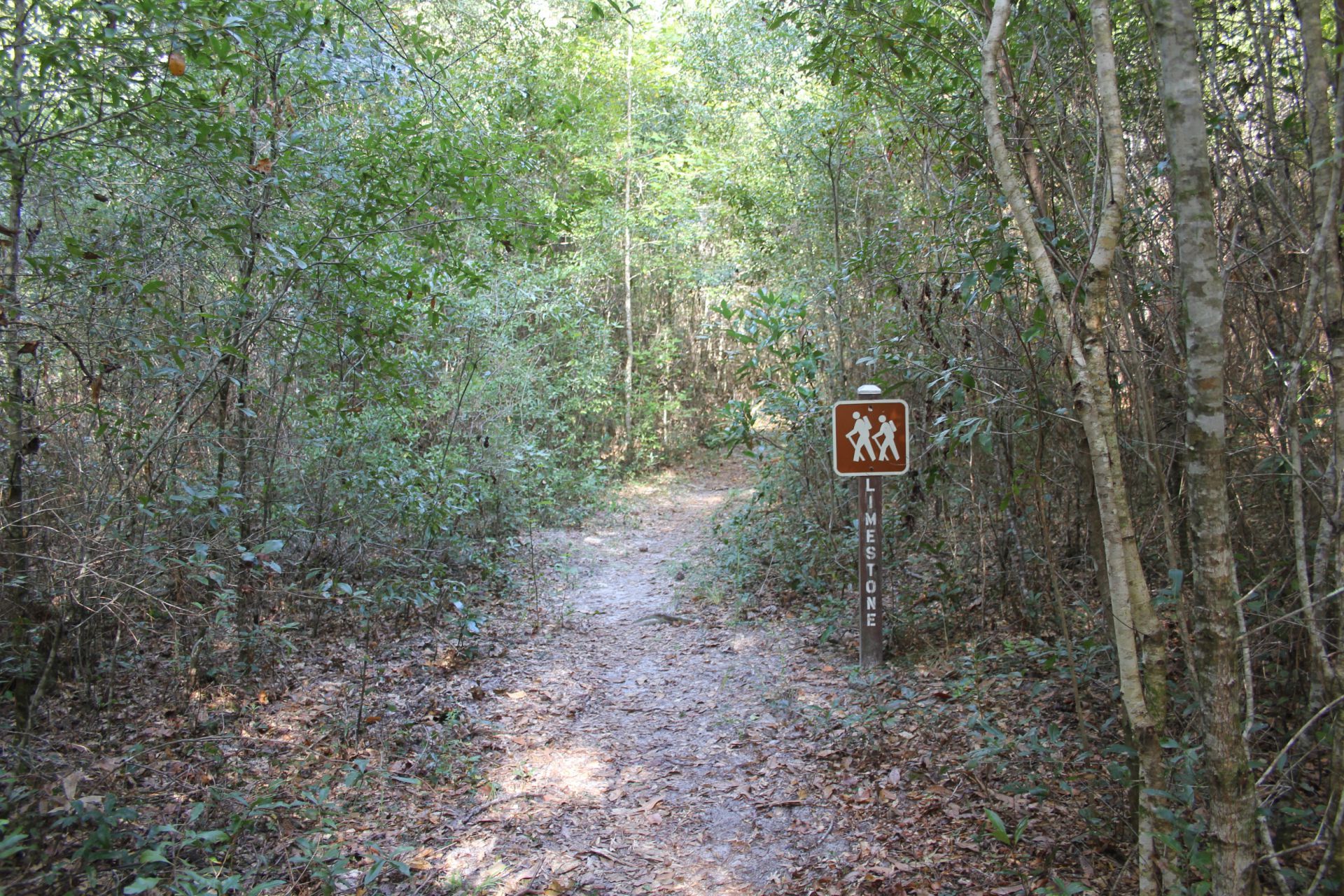
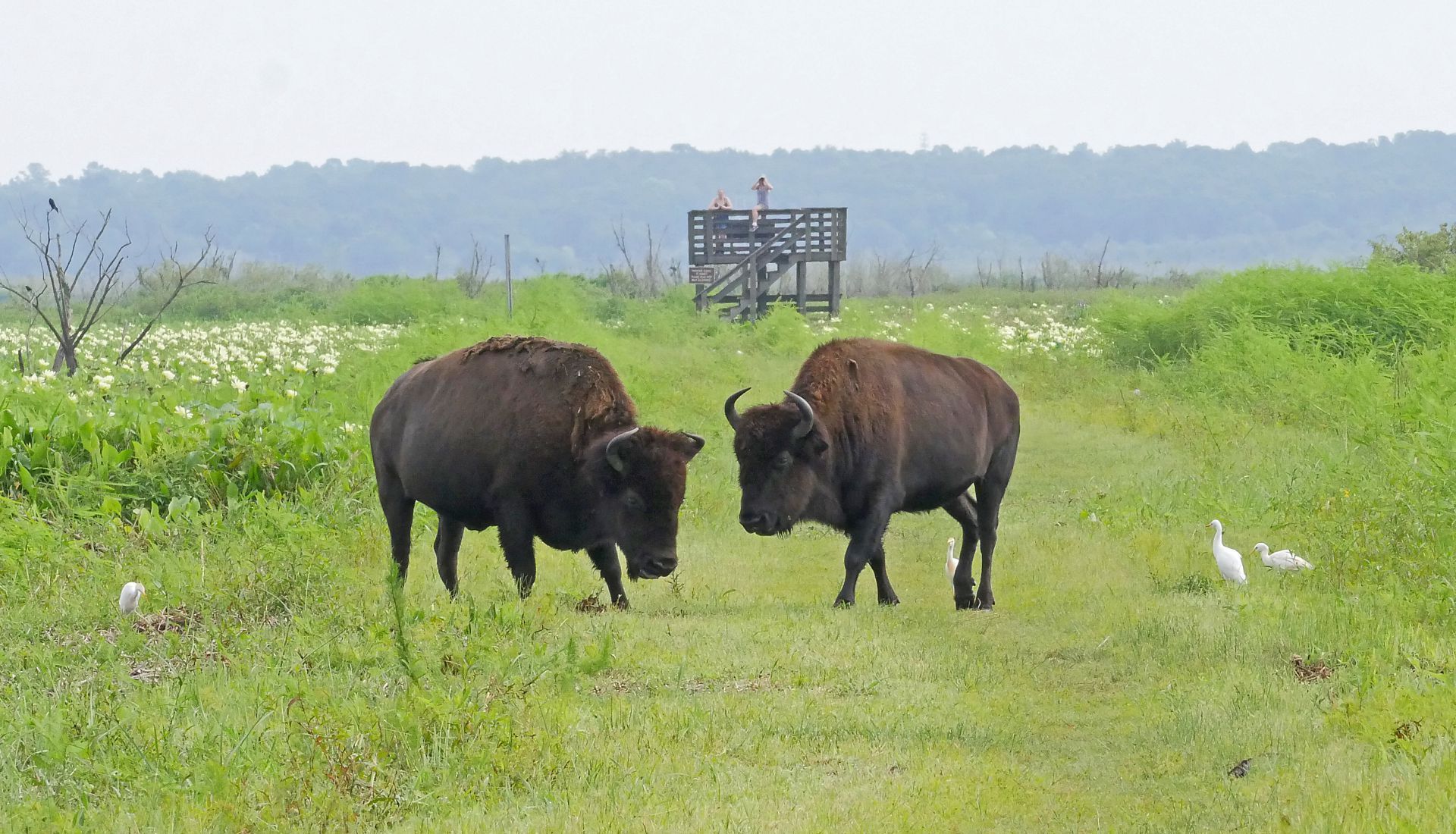
clear springs that stay seventy-two degrees all year, a prairie roamed by wild horses and bison, a hundred-foot sinkhole with a rainforest at the bottom, thousands of acres of old forest trails, and, in the cold months, springs full of manatees. It does not feel like the Florida of postcards, and that is the good part. We keep full guides to the springs,
the manatees, and
the rest of the wild side, so you can match the day to the season.
A real downtown by night. Come back and everything is on foot: dinner, coffee, a drink, a show, a museum, a park with a boardwalk. The music scene runs deep here, the food is independent and good, and the whole core is small enough to walk end to end. You park once and leave the car until the next morning’s trip out.
One day, two days, three
However long you have, the shape is the same: wild mornings, easy afternoons and nights downtown.
One day. Pick one wild thing close in, a spring or the prairie, do it in the morning, then spend the afternoon and evening downtown eating, walking, and catching whatever is playing.
Two days. Add a second kind of wild on the next day: a
forest hike at San Felasco, a sinkhole, or a longer spring. Keep the nights downtown.
Three days. Give the last day to the water, a full spring day in summer or a manatee morning in winter, and you have seen the range of the place without driving more than an hour or sleeping anywhere but the same room. We will help you order it by season and weather when you book.
A day, start to finish
Here is the rhythm in one day. You start slow at the coffee bar, then drive out while it is still cool, twenty minutes to the prairie or half an hour to a spring, and you get the best of it before the crowds and the heat arrive. By early afternoon you are driving back, a little sun-tired, the good kind. A shower, a flat hour in the courtyard, and the second half of the day is all on foot.
You walk to lunch or an early dinner, wander the blocks, maybe a museum or the park, and end the night at whatever is playing within walking distance, a band, a film at the theater a block over, or just a slow drink somewhere good. Then you are back in your own quiet room without driving anywhere. Wild in the morning, walkable at night, no part of the day spent stuck in a car or a parking lot.
What it looks like by season
There is no wrong season here, only different trips.
Summer belongs to the springs. When the heat sits heavy, seventy-two degree water is the only sane plan, and the springs are emptiest and best on early mornings midweek.
Fall brings cooler air, the energy of football season, and the best stretch for hiking and the prairie. The town fills up around home games, so book early if you are coming for one, or come the quiet stretches between for the same trails with none of the crowd.
Winter is the secret season: mild days, manatees gathered in the springs, gentle rates, and a downtown that is yours when the rest of Florida forgets the town is here. It is the easiest time to get a room and the calmest time to be in town.
Spring is the prairie at its greenest,
festival season downtown, and comfortable days before the heat lands.
Eating, coffee, and a drink
The downtown core is where the nights happen, and most of it is independent. You will find kitchens run by people who live here, a real coffee culture, and
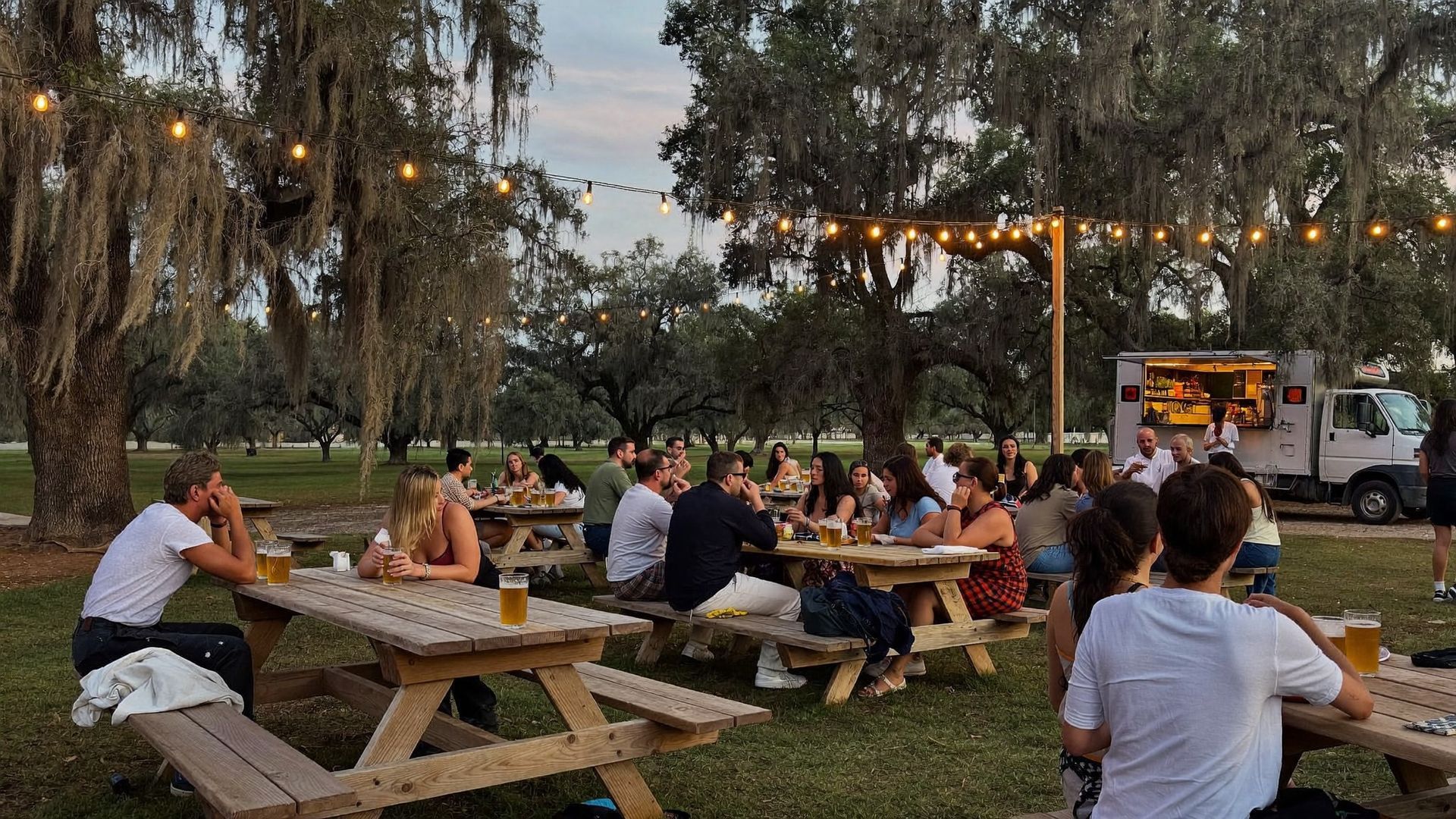
breweries and wine bars within a few blocks of each other, the kind of small, good places a college town quietly supports. It is casual. You do not dress up, you do not book a month out, and you can walk between most of it.
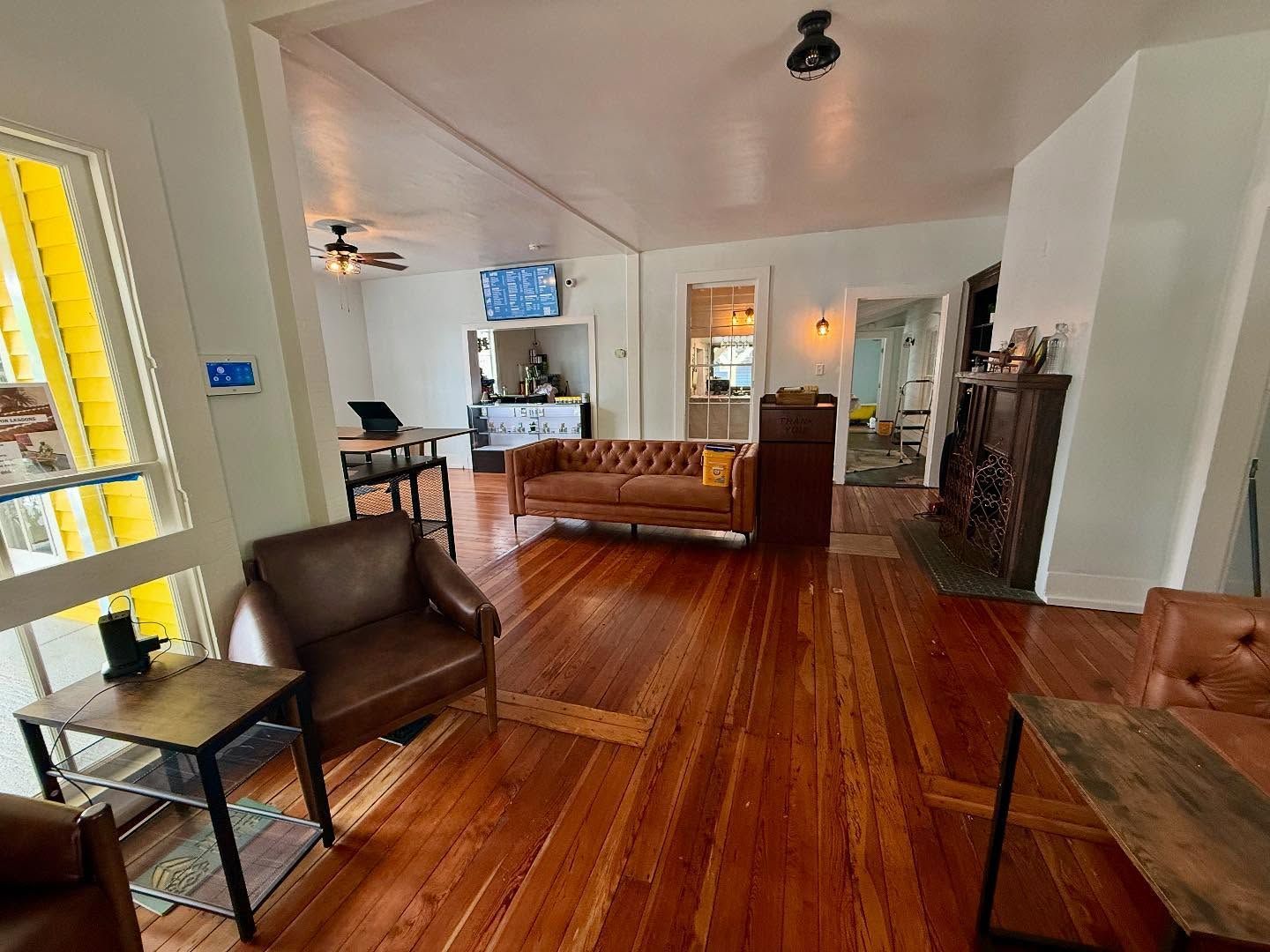
Our own cafe is part of that. It runs coffee first, then tea, kombucha, and mocktails, with wine and beer behind, and it doubles as the easy place to start a morning or land after a day outside. We keep a separate guide to it if you want the full picture of the cafe. Either way, the point of staying downtown is that the eating and drinking is a walk, not a drive.
Who comes here
This trip suits more people than you would think.
Couples after a quiet few days that are not a beach resort. Friends who want springs and music and a good meal without a big production. Solo travelers who want somewhere safe and walkable to read, work, and wander. Families using the springs, the prairie, and the museums as a low-stress base.
Parents in town to see a student, who want somewhere better than a chain by the highway. And anyone here for work who decides to make a real trip out of the edges of it. Whatever brought you, the base is the same.
Beyond a couple of days
If you have longer, the same central base opens up a ring of day trips.
Micanopy, a tiny historic town under a canopy of live oaks, sits about twenty minutes south and is full of antique shops and slow afternoons.
Cedar Key, an old Gulf fishing village about an hour west, is the place for seafood and a quiet sunset over the water. And St. Augustine, the oldest city in the country, is about an hour and a half northeast if you want a day of history and coast.
None of them require moving hotels. You keep the room downtown, point the car a different direction each morning, and come back to the same place each night. We can help you sort which day trip fits the season and how to chain a few together.
Getting here, and getting around
Gainesville sits right in the middle of North Florida, off the interstate but easy to reach. It is about two hours from Orlando and from Tampa, around an hour and a half from Jacksonville, and a straight shot down from Atlanta in a long day. The Gainesville airport is about fifteen minutes from downtown if you would rather fly in.
Once you are here, the move is simple: park once downtown and walk to everything in the evenings, and take the car out to the springs, the prairie, and the trails by day. Nothing wild on our guides is more than about an hour out, and most of it is far closer, so you are never giving up half a day to the road.
What to pack
Pack for both worlds. For the wild half: a swimsuit and a quick-dry towel for the springs, water shoes, trail shoes you do not mind getting muddy, sunscreen, and bug spray. A dry bag is worth it if you plan to paddle. In the cold months, add real layers and a warm jacket, since winter mornings by the water start colder than people expect in Florida.
For the downtown half, almost nothing. The town is casual, so whatever is comfortable for dinner and a show is plenty. You will not need to dress up anywhere we would send you. Bring a little less than you think for the nights, and a little more than you think for the days outside.
The base
All of this works best from the middle of it. We are Depot Village, owner-run, in one of the oldest houses in Gainesville, a few blocks from
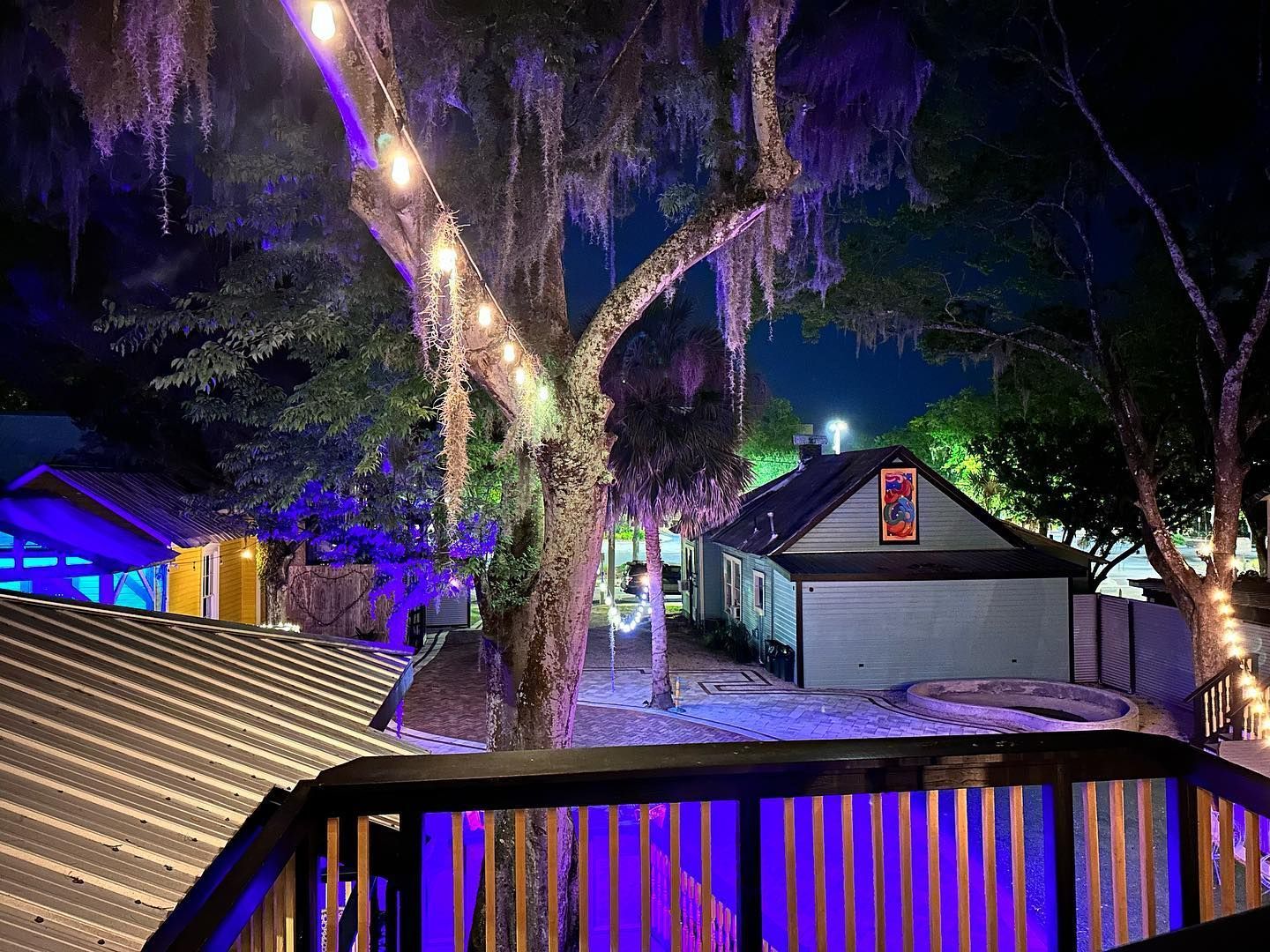
Depot Park and steps from the downtown core. There is a courtyard to sit in, a coffee bar to start the morning, and quiet rooms to come back to after a day outside. It is the both-worlds base in one address: wild Florida out the door by car, a walkable downtown out the door on foot.
Book direct, tell us what you want out of the trip and when you are coming, and we will help you build the days around the season. No package to buy, no upsell. Just a room in the right place and people who know the town.
Common questions
Is Gainesville good for a weekend getaway? Very. A weekend is enough for a spring or two, a morning on the prairie, and a couple of downtown nights, all from one walkable base. Add a day if you can, but a weekend does the trick.
Is Gainesville worth visiting? If you want wild Florida and a real, walkable downtown in one trip, without theme-park crowds or resort prices, yes. It is a slower, more genuine version of a Florida getaway.
How many days do you need? Two or three is the sweet spot: enough for a couple of wild days with easy nights downtown. One day works if you pick a single spring or the prairie and spend the evening in town.
What is the best time to visit? Summer for the springs, fall for cooler air and football energy, winter for manatees and quiet, spring for the prairie and festivals. There is no bad season, just different trips.
Do you need a car? For the springs, prairie, and trails, yes. Downtown itself is walkable, so you park once and leave it until the next morning.
What is there to do besides the university? Plenty: springs, a wild prairie, manatees in winter, forest trails, free museums, live music, independent restaurants, and an old downtown to walk. The university is the anchor, not the whole town.
Where should I stay? Downtown, so the wild is a short drive and the town is a short walk. We are in the middle of it, a few blocks from Depot Park.
How far ahead should I book? Around home football games and the bigger festivals, book early, since the whole town fills up. Most other times you have room to be flexible, and winter is the easiest stretch of all to get a room.
What if it rains? Save the springs and the prairie for a clear day and lean on the indoor half: the free museums, the cafe, a film at the theater, and the walkable downtown. A rainy day here is an easy one.