Alachua County is a gateway on the
Great Florida Birding and Wildlife Trail, and for good reason.
Paynes Prairie alone has more than two hundred and seventy species on its checklist, and within minutes to an hour of downtown you can bird a wild prairie, a wetland thick with wading birds, shaded hardwood forest, and the Gulf coast. In winter, thousands of sandhill cranes drop into the prairie and fill the cold air with their rattling calls. It is one of the best birding regions in the state, and most of it is a short drive from a walkable downtown.
This is the guide to birding near Gainesville: the hotspots, the species, when to come, and how to do it from a base where you can warm up over
coffee between mornings in the field.
Paynes Prairie: the headline
Start at the prairie. The naturalist
William Bartram rode across it in 1774 and called it the great Alachua Savanna, and it is still that: a vast basin of marsh, wet prairie, hammock, and flatwoods that supports more than two hundred and seventy bird species, with dozens nesting there. It is one of Florida’s premier birding sites, and each trail reads a different chapter of it.
La Chua, from the north rim, puts you eye-level with wading birds, gators, and the open prairie out past
Alachua Sink, with winter sparrows, hawks, and waterfowl in the cold months.
Bolen Bluff runs through hardwood forest that fills with warblers from fall through spring. Chacala is the woodland trail, good for pileated woodpeckers, barred owls, and painted buntings. And the fifty-foot observation tower at the south-rim visitor center is the place to watch raptors ride the thermals over the whole basin. Serious birders give it two mornings, one for the water and one for the woods.
The sandhill cranes
If you come for one thing, come for this. From roughly November into March, thousands of migratory sandhill cranes winter on Paynes Prairie, joining the Florida sandhill cranes that live here year round. You hear them before you see them, a goose-like honking and rattling rolling across the basin, and then the long-necked, red-capped birds come into view by the hundreds out on the wet prairie. It is one of the great wildlife sounds in Florida, and the deep of winter is when it peaks. The birding trail notes that, rarely, a whooping crane may turn up among them, the kind of sighting that makes a birder’s year.
Winter is the prairie’s best birding season all around. Alongside the cranes you get thousands of waterfowl, wood ducks, teal, and shovelers, plus bald eagles, northern harriers, and bitterns. It pairs naturally with a
manatee morning at
the springs, the other great cold-season wildlife show, which we cover in its own guide.
What you are likely to see
The list runs long, but a few birds define the experience here. On the winter prairie, the sandhill cranes are the headline, alongside thousands of waterfowl and the raptors that hunt them: bald eagles, northern harriers coursing low, red-tailed hawks. In the wetlands and along the water year round you get the wading birds, great blue herons, anhingas drying their wings, wood storks, limpkins, and the purple and common gallinules picking across the lily pads, with roseate spoonbills adding the splash of pink. In the hardwood hammocks, listen for pileated woodpeckers and barred owls, and in the warm months the indigo and painted buntings that make a birder’s morning. Overhead in summer, the swallow-tailed kites cut their long forked silhouettes against the sky. And for the patient, the rarities: a snail kite over the marsh, the odd vagrant that turns an ordinary checklist into something special.
Sweetwater Wetlands: the easy one
For the most reliable, most accessible birding in the area, go to
Sweetwater Wetlands Park on the south edge of town. It is a built wetland of marshy basins with a flat loop of crushed path and boardwalk, open daily from early morning, and it is dense with birds: roseate spoonbills, purple and common gallinules, limpkins, herons, bald eagles, wood storks, and, for the lucky, the rare snail kite. Wild horses wander over from the prairie, and gators are everywhere, keeping to themselves. It is level, gentle, and the spot to send a beginner or a family, since you barely have to work for the sightings.
Woodland and the in-town spots
Not all of it is open water.
San Felasco Hammock, northwest of town, is the woodland counterpoint, with warblers, woodpeckers, and owls under a high hardwood canopy. Closer in, the
bat houses by Lake Alice on the university campus draw wading birds along with the famous half-million bats at dusk. Palm Point on Newnans Lake is a small, well-known spot for ospreys and lake birds, especially in migration. And you can bird without leaving downtown at all:
Depot Park, a few blocks from us, has a pond and a boardwalk worth a slow morning loop with binoculars.
The coast at Cedar Key
When you want shorebirds and a change of scene, the Gulf is about an hour west at
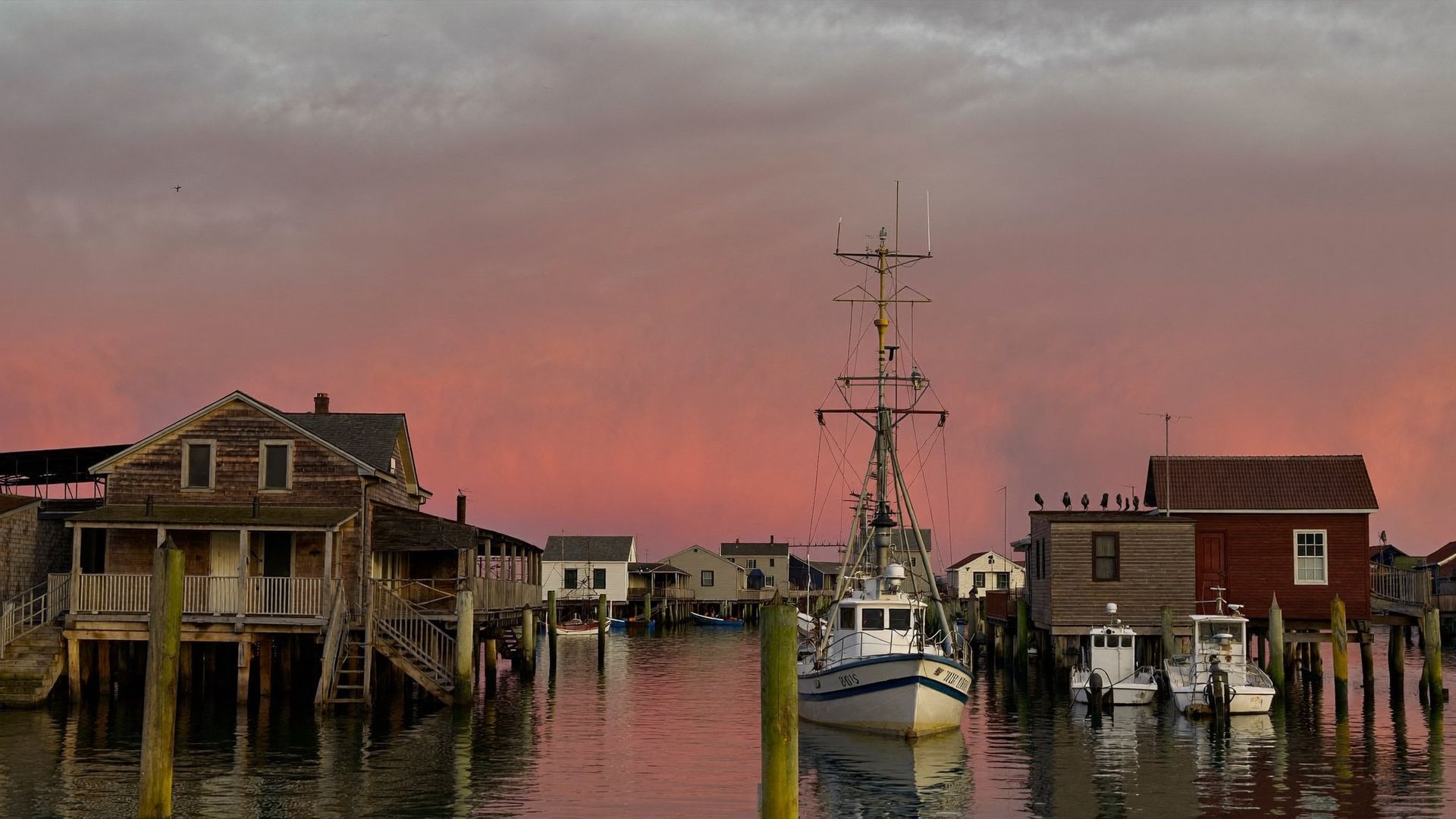
Cedar Key. The marshes, mudflats, and refuges around the old fishing town pull in shorebirds, wading birds, and migrants you will not find inland, and the coastal light at the end of the day is worth the drive on its own. It makes a good full-day birding trip from a Gainesville base, paired with seafood and a sunset over the water before you head back.
Photographing the birds
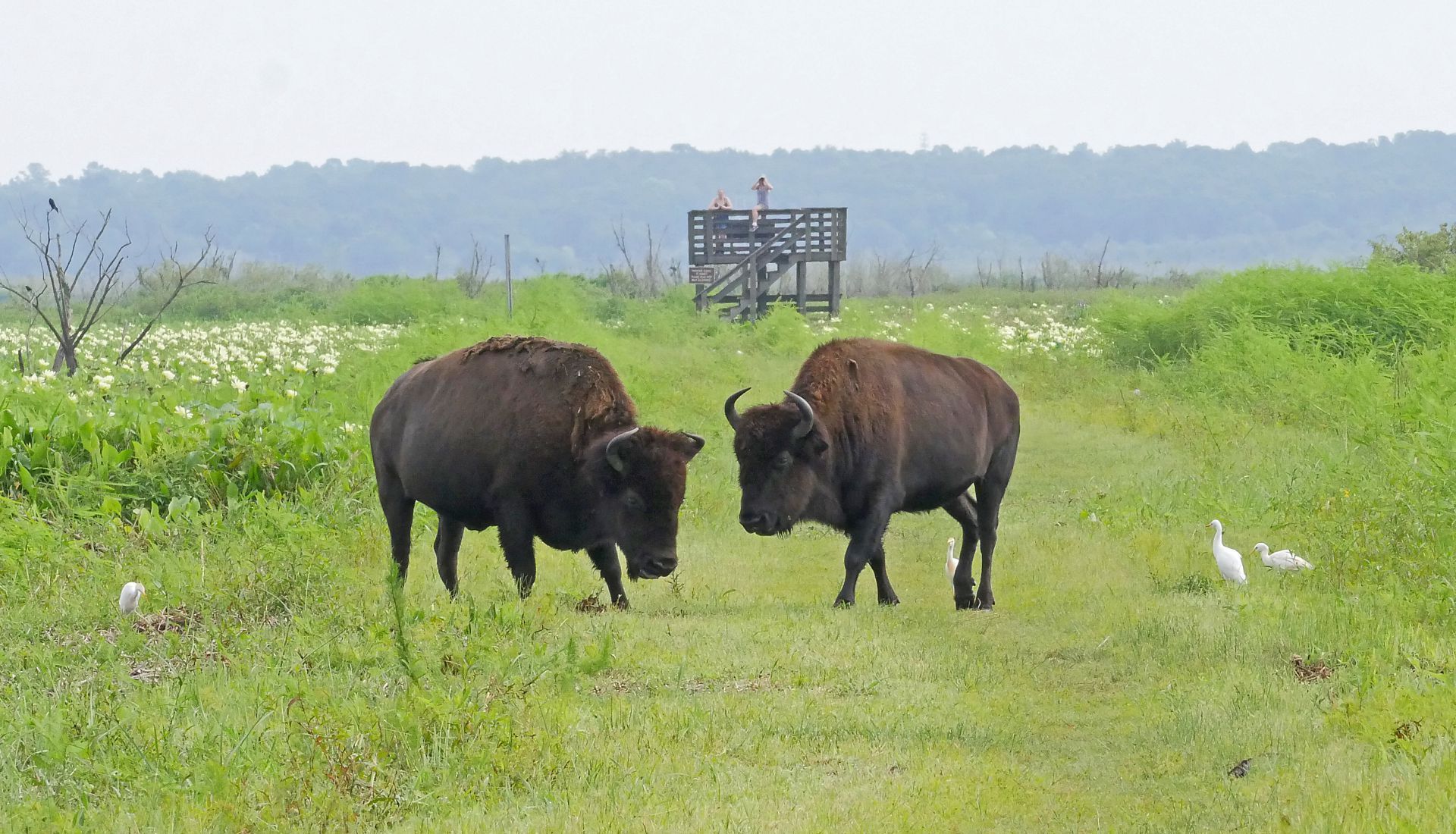
This is a photographer’s region. The La Chua boardwalk gets you close to wading birds and gators without disturbing them, the observation tower gives you raptors and the wide prairie, and the early and late light over open water is some of the best you will find. Bring a long lens and patience, go at first light or the hour before sunset, and let the birds come to you rather than chasing them. Keep a respectful distance from everything, especially the gators and the bison, and you will come home with a card full of the kind of shots that make people ask where on earth you were.
When to go
Birding here has a strong calendar. Winter, roughly November into February, is the peak: the sandhill cranes, the waterfowl, the raptors, and the clearest, coolest mornings to be out. Spring and fall bring migration, when warblers move through the hammocks and shorebirds drop onto the mud. Summer is quieter but far from empty, with breeding residents like herons, anhingas, gallinules, and swallow-tailed kites overhead. Whatever the season, early morning is the time. The birds are most active, the light is best, and you will have the boardwalks to yourself before the day warms up.
Guided walks and local birders
You do not have to figure it out alone. The local Audubon society runs free guided bird walks open to all skill levels, including a regular walk at Sweetwater Wetlands in the cooler months and a relaxed downtown walk that ends near Depot Park, just a few blocks from us. Check their current calendar before your trip and you can fall in with people who know exactly where the good birds are that week. The prairie’s visitor center also keeps a recent-sightings log and sometimes loaner optics, so stop in and ask what has been turning up.
What to bring, and a few tips
Pack binoculars first, and a scope if you have one, since a lot of the prairie birds are out at distance. A bird app or a printed checklist helps, and the prairie has its own list worth grabbing. Bring water, bug spray, sun protection, and neutral, quiet clothing, and go early. Keep your distance from the gators near any water, give the bison and horses a wide berth on the prairie, and check water levels before you go, since high water after heavy rain can flood and close the prairie trails. Move slowly and quietly and you will see far more than you would hurrying.
A birding morning
The shape of a good one: up early, coffee at the bar, and a short drive out in the dark so you are on the boardwalk as the sky goes gray. First light is when it happens, the cranes lifting off, the herons stirring, the prairie waking up. You bird for a few hours while it is cool and quiet, then head back to town as the day warms and the other people arrive. By mid-morning you are at a proper breakfast downtown, going through your photos and your checklist. One dawn in the field, the rest of the day in a walkable town, and you did not have to sleep in a parking lot to manage it.
Make a trip of it
The best birding here happens at dawn, which is exactly why a close, comfortable base matters. You can be out on the prairie or the wetland for first light, catch the cranes coming off their roost, and be back downtown for a proper breakfast by mid-morning, instead of driving in bleary from a highway hotel. The wild and the walkable sit fifteen minutes apart.
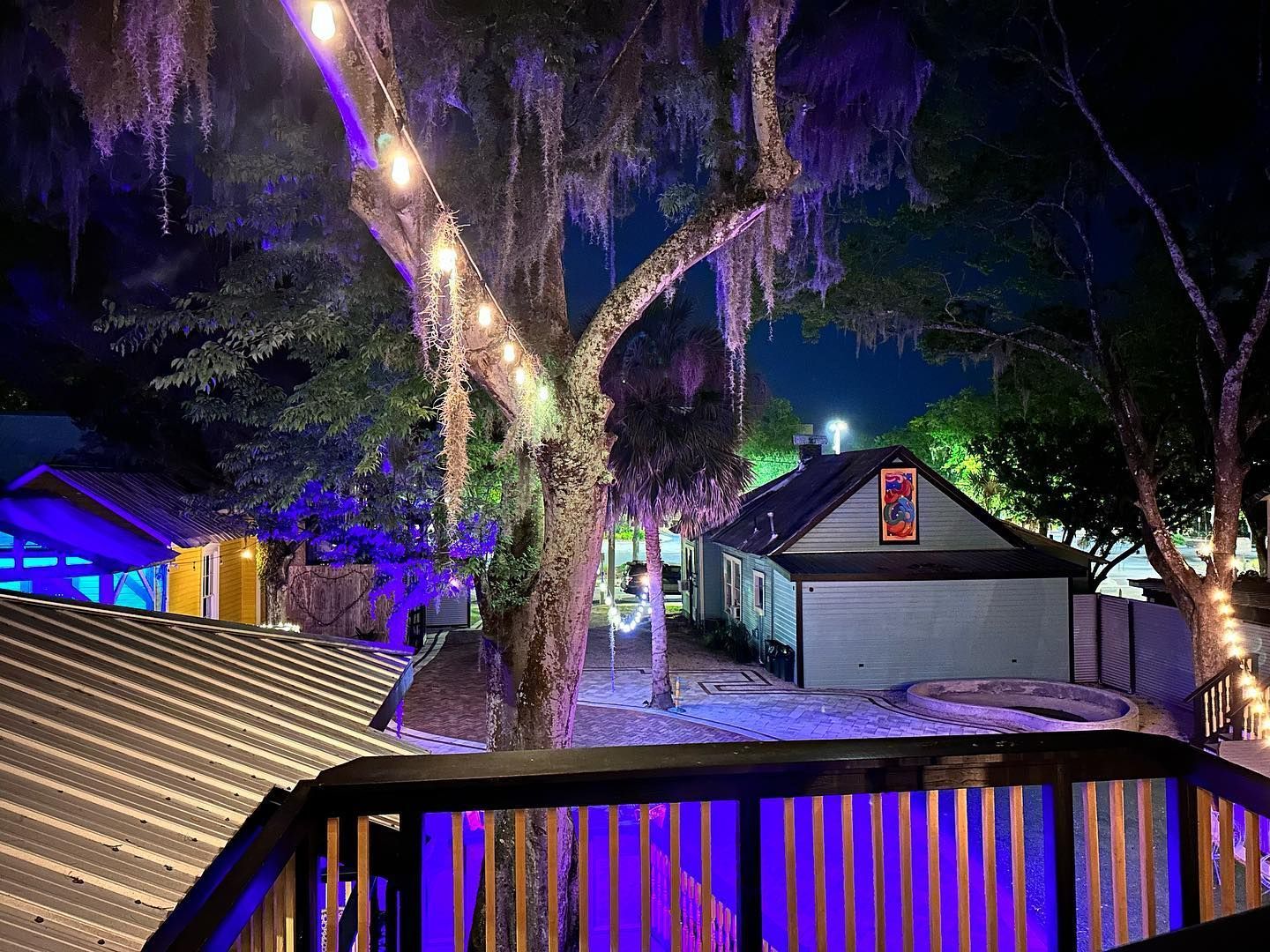
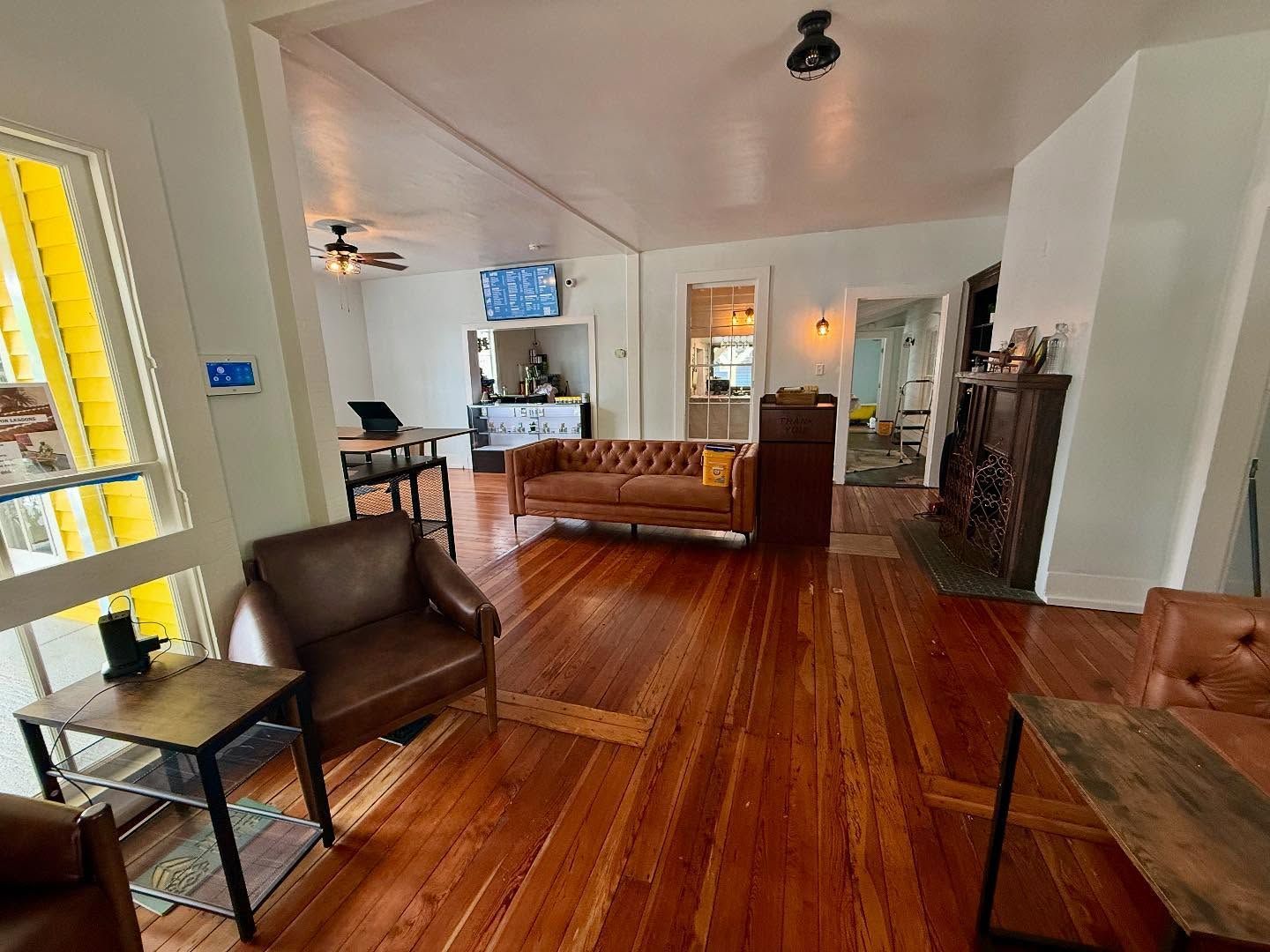
We are Depot Village, owner-run, in an old house a few blocks from Depot Park, with a courtyard and a coffee bar for the early start and the warm-up after. Park once, bird a different habitat each morning, and come back to the same room each night. Book direct, tell us what you hope to see and when, and we will point you to the right spot, the right hour, and whatever has been turning up on the prairie that week. We also keep guides to the wider outdoors and the hiking if you want to mix in other days.
Common questions
What is the best birding near Gainesville? Paynes Prairie and Sweetwater Wetlands are the headline sites, both on the Great Florida Birding Trail. The prairie’s La Chua trail and the Sweetwater loop are the two most rewarding mornings, with San Felasco for woodland birds and Cedar Key for the coast.
When can you see the sandhill cranes? From roughly November into March, with the deep of winter the peak, when thousands gather on Paynes Prairie. Florida sandhill cranes are present year round in smaller numbers.
What is the easiest spot for beginners? Sweetwater Wetlands. It is flat, accessible, open daily, and so full of birds you hardly have to look for them. A great first morning.
How many species are there? More than two hundred and seventy have been recorded at Paynes Prairie alone, across prairie, marsh, hammock, and flatwoods, with hundreds nesting across the wider county.
Are there guided walks? Yes. The local Audubon society runs free guided walks open to all levels, including one at Sweetwater in the cooler months. Check their calendar for current times.
Do I need to be an experienced birder? Not at all. Sweetwater Wetlands and the La Chua boardwalk are easy and so full of birds that beginners do great, and a guided Audubon walk is a friendly way to learn the local species.
Can you bird year round? Yes. Winter is the peak for cranes and waterfowl, migration brings warblers and shorebirds in spring and fall, and summer has its breeding residents. There is no empty season.
Is it good for families and kids? Yes. Sweetwater’s flat loop and the boardwalks are easy for all ages, the gators and big wading birds keep kids interested, and a short early outing beats a long one. Bring a cheap pair of binoculars they can call their own.
Where should I stay? Downtown, so the prairie and the wetland are a short pre-dawn drive and a real town is a short walk. We are in the middle of it, a few blocks from Depot Park.